Sunday, April 22, 2007

Human agony - would you support wars if the man on the picture was you?

I wonder when we profess to be Christians or other God fearing religion and at the same time we find excuses to permit violence are we not thinking about "them" not to be like us? What would your child tell you if he/she had to go through concrete/war walls to go to school? Picture and commentary from AP.

Ali Jassim mourns as he takes part in the funeral procession for his brother Isam, in Shiite holly city of Najaf, 160 kilometers (100 miles) south of Baghdad, Iraq, Sunday, April 22, 2007. Isam Jasim, age 13 was killed by unknown gunmen in the Shiite Muslim city of Kufa. (AP Photo/Alaa al-Marjani).
Schoolchildren pass concrete walls in Adhamiya district in Baghdad April 22, 2007. The U.S. military is putting up concrete walls to protect five neighbourhoods in Baghdad in a new strategy some residents said on Sunday would isolate them from other communities and sharpen sectarian tensions. REUTERS/Thaier al-Sudani (IRAQ)

Friday, April 06, 2007

Clare Lindley

While visiting London had the opportunity to listen a folk music trio playing Irish and Scotish music. Clare Lindley and Brian Mullan were part of the trio. They are superb musicians with lots of talent. Clare is a very charming/beautiful woman and Brian a soft/gentle person. If need more info about them they have a page in myspace.com and a page of Kooch.
Photos below were found in related web articles.

Jan Allain and Clare Lindley

Clare's charm, her smile and her fiddle.

This pic reminds me the second and last time I heard them play in a pub in the east side of London, or was it the south east? Regardless, it was a lovely evening that lasted after closing of the Tube so had to take an early AM bus trip on top of a double decker.

April 6, 2007 Dutch Soldiers Stress Restraint in Afghanistan

From article published in the New York Times.

(Tyler Hicks/The New York Times) In south-central Afghanistan, a region controlled by the Taliban and tribes opposed to the central government, a Dutch-led task force has been pursuing a counter-insurgency approach. Its tactic emphasizes development and diplomacy over hunting and killing of Taliban fighters.

Tuesday, April 03, 2007

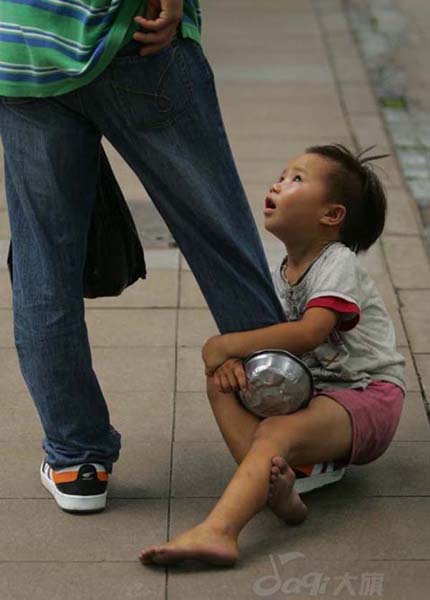
Child begging for money?

Pictures by Guo Jihong published by China Daily. "These photos show some children forcefully begging for money from pedestrians in the Pearl River Delta. The young beggars are mostly children of poor migrant workers. At times they even assault pedestrians."


Wednesday, March 07, 2007

Pilar Ovalle, Chilean Artist

Found the art of Pilar Ovalle at the Museo de Bellas Artes in Santiago, Chile in April of 2006. In my opinion one of the best sculptures I have experience. Her sculpture portraits the spirit of her media the trees. It is so easy to fall in love with the artist through her work.

Above photo found at www.aenoticiasl.pr.gov.br.

Interview below found at www.plagio.cl

"Yo no trabajo para los premios, hago lo que hago porque me apasiona"
por Carolina Mosso E. 06.06.2006

Aquí hay mucho amor, era una de las frases que más se repetía en el libro de comentarios de Wenu Mamül, Maderas del Cielo, la exposición que desde el 13 de enero se instaló en el ala norte del Museo de Bellas Artes. Y aunque no fue esta la muestra la que le valió a Pilar Ovalle la nominación al Altazor de este año (fue “Travesías”, en la Galería Isabel Aninat), esta escultora de 35 años dice estar “sorprendida y feliz” por el recibimiento de la exposición que, tras un rotundo éxito en el Museo Óscar Niemeyer de Curitiba, Brasil, fue finalmente traída a nuestro país, para permanecer durante casi tres meses en el Museo de Bellas Artes.
"Pilar Ovalle transmite la gran alegría que se siente al encontrar un pedazo de árbol superviviente, ya informe y abstracto, a la obra que emerge de su hallazgo. No busca formas reconocibles; busca inspiraciones ocultas que se manifiestan al azar, con el tiempo, y reflexión. Busca fragmentos de alma, trozos de espíritu, y con sumo cuidado y respeto, los transforma en imágenes sugerentes, formas que son aleaciones de lo añejo con lo actual. Crea una visión fresca de la majestuosidad del árbol milenario." Esas fueron las palabras que usó el destacado curador chileno Edward Shaw para describir la última exposición de Pilar Ovalle, "Wenu Mamül, Maderas del Cielo".
Y es que el trabajo de esta escultora de 35 años y voz pausada, no deja indiferente. Nominada por tercera vez al Altazor en la categoría Escultura (2002, 2004 y ahora, 2006), Pilar Ovalle -dicen los críticos- en su técnica más cercana a lo constructivista y geométrico logra hacer permanecer la gestualidad y espontaneidad en sus figuras, e imprimirles una potente intención de corporalidad e incluso movimiento.
Además, la obra de esta escultora (quien ha desarrollado una sólida y consistente trayectoria artística desde su primera exposición individual en la Galería de Isabel Aninat en 1994), ha sido catalogada como un arte "ordenado, pulcro, que agrada por la formalidad del oficio", además de haber dicho de ella que se trata de una artista "valiosa y valiente" al atreverse con un gran formato, "que no es fácil en para una escultora joven". Tras haber obtenido dos veces la beca del Fondart (por "Esculturas con despunte en madera" y "Esculturas dobladas con técnicas chilotas"), el 2004 gana el primer lugar en el concurso de Esculturas de los países del MERCOSUR, lo que más tarde le permitió dar a conocer su obra en la ciudad de Curitiba, en Brasil.
En las formas y texturas de cada una de las piezas, cuenta Ovalle, se tejen historias sociales y personales: el reencuentro con la tierra, la búsqueda de lo espiritual y divino, la intuición de lo antiguo revivido en lo moderno. Y es justamente a partir de cortes y ensambles a los trozos de madera nativa que ella misma ha recolectado (roble, pino, raulí, mañío, coihue e incluso alerce), que la artista crea figuras antropomorfas y anecdóticas. En esos trozos, dice la escultora, pretende otorgarle un aspecto vital a sus obras, desarrollando un constante juego de imperfecciones con las texturas, nudos y vetas de la madera. Una técnica que, confiesa, ha ido perfeccionando tras los años, pero que aún la mantiene encuadrada en lo literal de la destreza.

Cuéntame cómo es tu relación con la madera ¿A partir de qué momento nace esta cercanía?

La madera la encontré casualmente. Tenía que hacer un trabajo en la universidad con formato de material libre, y estaba buscando un material. Yo antes trabajaba con papel, con cartón, y hacía esculturas como maqueta… bastante parecidas a mis esculturas de ahora, pero en papel. Y me encontré con la madera cuando botaron unos árboles en la Costanera y las llevé a mi taller. Me costó harto, fue súper difícil, porque me gustaba el material, pero no tenía idea de cómo empezar: cómo cortar, cómo ensamblar.
Fue como un enamoramiento con la madera, y a partir de eso me dije: "tengo que aprender a trabajarla y meterme fuerte en el oficio". Ahí empecé a ver, a estudiar todo lo relacionado con carpintería. De a poco me fui metiendo, y ya llevo 15 años trabajando con esa técnica.

Pero ¿te has hecho asesorar con gente que conoce más el material, has tomado cursos para especializar tu técnica?

No, soy autodidacta. Estudié Arte en el Instituto de Arte Contemporáneo Mulato Gil (1989) y después hice Escultura en la Católica (1993), pero hice fierro, entonces madera es algo que he trabajado e investigado sola. Me gusta mucho investigar y, en realidad en todas las cosas que he investigado me meto, estudio y trabajo harto, para poder desarrollar el mecanismo y lograr sentirme más libre en la creación.

Ya teniendo la técnica, ¿cómo se gestó concretamente esta muestra?, ¿a partir de qué nació?

La verdad es que ésta es como la mitad de otra muestra que hice en Brasil. Me gané una beca para exponer en el Museo Óscar Niemeyer 24 obras. Imagínate que mi sala era de dos mil metros cuadrados…
Y el trabajo fue muy bien acogido, a pesar de que en Brasil hay mucha madera y la trabajan muy bien. A nivel de crítica, mi exposición salió muy bien evaluada e incluso se decía que no se había visto nada similar. Entonces obviamente para mí fue sumamente positivo exponer allá, porque a partir de eso el Museo Niemeyer quiso que yo expusiera acá en el Bellas Artes. Y ya en Chile, la muestra que monté expuse trabajos de usé en Curitiba y también otras que había trabajado durante los últimos cuatro años, aunque la mayoría son de los últimos dos.

¿A qué remite el nombre de tu exposición?

Wenu Mamül viene del mapudungún, "maderas del cielo". "Maderas", porque la mayoría vienen de esa zona: el canelo, los cipreses, el alerce; y "del cielo", porque es el sentido que yo le doy al arte, que está relacionado con ideas más espirituales, es mi búsqueda interior…

En muchas culturas, por ejemplo en la misma mapuche, es muy importante la figura del árbol. ¿Cuál es tu intención en el desarrollo de tu técnica? ¿Pretendes hacer un vuelco a través de esta obra concreta? ¿Existe algún guiño ecologista, por ejemplo, en tu exposición?

No, yo creo que mi única parte ecológica (que también sale al azar) es trabajar con pedazos desechados, y no cortar árboles. En las barracas botan pedazos de madera, en las mismas mueblerías… yo trabajo con todas las sobras, incluso las que yo boto, las reutilizo. Eso podría decirse que es lo más cercano la ecología que, aunque me interesa mucho, siento que no trabajo para eso. No es ese el principio que mueve mi trabajo.
Sin embargo, sí siento que el árbol es muy importante como iconografía en nuestra vida, porque es un elemento de la naturaleza muy simbólico, que está muy cargado y por eso mismo creo que integré estas concepciones en mi obra.

En el video que se muestra en tu exposición, que da a conocer tu técnica y cómo evolucionó tu creación, dices que crees que la madera es el electo más parecido a la piel humana. Me gustaría que me explicaras un poco a qué te refieres con eso.

Tiene que ver con que, cuando trabajo, la siento como viva, porque realmente lo está...la madera es viva.
Y digo que es lo más parecido a la piel humana porque tiene temperatura y textura, no es fría como el fierro. Por ejemplo, me pasa al trabajar, y observo cómo las vetas son las huellas de nuestra piel, la salvia es la sangre… y me doy cuenta de que el árbol está vivo: uno le hace cortes y sale líquido, entonces hay algo que está relacionado muy fuerte con el ser humano. La madera, es la piel humana del árbol.

Por lo mismo es más difícil como material, me imagino, porque es más impredecible en los cortes…

Cualquier oficio sin conocimiento es difícil, pero una vez que se adquiere, ya no se trata de la técnica, sino de buscar la representación.

¿Y sientes que ha habido una evolución en tu obra?

Sí, sí, sí. Siento que me he desprendido de una forma más literaria, de la cosa más anecdótica. Y mi búsqueda va por ese lado. Quiero soltarme más en la expresión.

Justamente te iba a comentar que muchas de tus obras son muy anecdóticas, antropomórfica ¿Fue esa tu intención en esta muestra?

Evocar está relacionado para mí con querer transmitir no tan literalmente, y a lo mejor no es lo que tengo logrado en un 100% pero sí es para donde voy, lo que me interesa. El arte me hace sentido cuando son evocaciones, porque no hay escritura pero sí expresiones que tienen que evocar situaciones, emociones, ideas. Entonces todas estas ideas, que no se pueden expresar en la obra materialmente, en la evocación se pueden transmitir. Si llegan al espectador, esa es parte de la creación, la capacidad de evocar.

¿Y sientes que vas por buen camino en esta búsqueda? ¿Sientes que tu mayor "pero" está en la técnica, por ejemplo?

No, creo que la técnica ya no hay que profundizarla más porque se transforma en algo muy mecánico… al contrario, creo que tengo que soltarme más. Creo que he estado muy abocada a la técnica, por una cosa perfeccionista que tengo (que no sé si es bueno, pero lo tengo), y por amor al oficio, porque es algo que amo mucho. Pero ahora estoy tratando de integrar más todo lo que es poesía en el arte.

Cambiando de tema, para la recolección de maderas, ibas al sur a buscarlas… ¿siempre has trabajado de esta manera?

Sí. Yo trabajo siempre con madera encontrada. Ya sea con pedazos de madera encontrada en el sur, en el bosque, en el lago, o de las otras maderas, las nuevas, que vienen en basa. Trabajo con maderas que no están disponibles para muebles o para casas, porque tienen nudos, porque están dobladas. Y justamente yo trabajo con las imperfecciones, me gusta trabajar con los desechos y arreglar. La construcción a través de lo que es la transformación: de lo que está botado, los pedazos en desuso… eso es lo que me motiva y me inquieta.

¿Cómo tomaste tu nominación al Altazor?

Bien, he sido tres veces nominada al Altazor y me parece que la nominación es ya un premio. De ahí a salir… igual es fantástico salir, pero igualmente me siento súper agradecida de mis pares, porque siento que me valoran harto.

¿Y sientes alguna diferencia con respecto a otros años?

No, para nada. La alegría y agradecimientos son los mismos y todo sigue igual. Porque yo no trabajo para los premios, hago lo que hago porque me apasiona.

¿Tienes otros proyectos en mente?

Estoy tratando de ordenarme un poco. He tenido harto trabajo estos últimos años y tengo en mente muchas cosas pero todavía no las he desarrollado, porque todavía tengo que hacer cambios en mi taller, tengo que hacer cambios en mi manera de trabajar, así es que estoy ordenándome mentalmente para ver cómo vuelvo a trabajar.

Y llevar las muestras a otros países…

Voy a San Francisco ahora en mayo y voy a conversar con galerías para ver algunas ofertas que hay. Voy a ver si sale algo.

Quiero que me relates un poco la sensación de verte en el Bellas Artes con esta muestra. Ha sido un proceso largo, tú tienes 35 años, y hay muchos artistas que sueñan con lo que tú has logrado en tan poco tiempo (incluyendo tu nominación este año a los Altazor)

Bueno, es cierto que soy súper joven para estar en el museo. He tenido una carrera muy rápida, he podido exponer mucho, he tenido bastante reconocimiento y eso es muy gratificante, porque te ha e avanzar, genera apoyo. Entonces ha sido muy, muy bonito.
Mi obra en el museo es un espacio que tiene una carga fuerte, porque es un lugar bien tradicional. Yo siempre pensé que iba a costarme porque, como yo había expuesto esta misma obra en el museo de Curitiba que era tan moderno, creí que no se iba a ver bien. Pero ahora me siento contenta y feliz. La obra quedó bien y la recepción fue extraordinaria… incluso tuvimos que alargar el tiempo de la muestra.

Por lo mismo de ser joven y tener una carrera tan rápida, ¿sientes que te debes a desafíos fuertes? ¿Te vas presionando cada vez a rendir más?

No, no tengo ningún compromiso externo latente. No parto de eso. Aquí hay un compromiso interno, porque yo empecé a trabajar a los 20 años con las cosas bien claras, aunque ahora esa claridad no es la misma que tenía en ese minuto y ha ido evolucionando mucho el trabajo. Hay una gran suerte de fuerza interior para trabajar en esto, una suerte de sanación a lo mejor, porque el arte es transformador.
El arte lo veo como la mejor manera de transformar sentimientos, sanar heridas, dudas… muy sanador. A lo mejor ha sido una gran necesidad que tuve desde un principio para poder entender la historia mía, la vida… es una mirada bien existencialista la que tengo, pero una mirada que siempre me emociona y motiva para seguir haciendo arte.

Monday, March 05, 2007

"All warfare is based on deception." The Art Of War - Sun Tzu

All warfare is base on deception, if superior evade him, if angry irritate him, if equally match fight, if not split and re-evaluate

Friday, February 09, 2007

Fall 2006 visiting Jeff

Got to go back and check out some recent pictures while enjoying the beaches in Florida. The grown-ups teaching the younger generation how to toss sand-filled cans.
Mariana, Jeff and the kids. When we smile the world smiles with us.


Monday, January 29, 2007

Lebanon - Nayla Tueni, the struggle of a young woman with her father's legacy

JOEL SAGET / AFP-GETTY IMAGES
Nayla Tueni
Journalist
By
SCOTT MacLEOD
Posted Sunday, May 14, 2006

A year after the independence revolution forced out Syrian troops and brought in a new Lebanese government, Nayla Tueni is chairing a meeting of students discussing a unique project. The idea is to form a shadow cabinet of young people to keep tabs on the country's actual Ministers. She stays cool when the talk gets a little raucous, yet no one harbors a greater passion for the plan. It is the brainchild of her father, newspaperman and Lebanese M.P. Gebran Tueni, who was assassinated at age 48 in a bomb attack last December in what was widely seen as revenge for his fearless criticism of Syrian President Bashar Assad and his Lebanese allies. That thrust Nayla, 23, to the forefront of the unfinished struggle to end Lebanon's domination by sectarian warlords and their foreign backers. She is on the way to becoming one of the country's most influential freedom advocates, as heir of the newspaper An-Nahar, founded by her great-grandfather in 1933 and long a leading voice of reason. It's a risky task; last year assassins killed An-Nahar columnist Samir Kassir. Nayla's latest essay brimmed with her father's customary defiance. "You can kill as many as you like," she taunted her father's assassins. "By killing us, you revive us." Nayla's father's dream was to tap the young generation and create a modern, nonsectarian, united Lebanon. "They are pushing us to change," he told Time at the height of the protests. "We are not afraid," Nayla says. "When they killed Samir Kassir, we cried. My father said, 'We don't have to cry, we have to fight.' We will fight to the end."

Writing was on the wall for Tueni
By Cilina Nasser in Beirut
Ghassan Tueni had warned his son, Gebran, the outspoken journalist and Syria critic, not to return to Lebanon for fear of assassination. But the 48-year-old publisher and legislator insisted. And less than 24 hours after his return, he was dead. "Children never listen to their parents," said Ghassan Tueni, himself a veteran journalist who turned An-Nahar newspaper into Lebanon's leading daily. Just hours before he met his death, Tueni had told his father: "I cannot be a member of the Lebanese parliament while living in France." Tueni, arrived in Lebanon on the night of 11 December. The next morning, he left his home to go to his office at An-Nahar headquarters in central Beirut. But a parked car packed with 40kg of explosives blew up his armoured vehicle as it passed by in Mukhallis, eastern Beirut. He and three others, including his driver and bodyguard, were killed. Another 32 people were wounded.
Breaking Syrian taboos
Tueni, publisher and general manager of An-Nahar, had been spending most of the last few months in France out of fear for his life after learning in the summer that he was on the top of a hit list. His troubles may have started in March 2000 when he wrote an article entitled An Open Letter to Dr Bashar al-Assad, who was then expected to succeed his father Hafez al-Assad, who died in June 2000, as Syrian president. Tueni's convoy was hit by a 40kg bomb just hours after his returnTueni addressed the younger al-Assad "frankly" as he had put it, saying many Lebanese politicians meeting the future Syrian president had perhaps told him what he wanted to hear, not what he should hear. "You must realise that many Lebanese are uncomfortable with Syrian policies in Lebanon and with the presence of Syrian troops in our country. This does not mean that these people are traitors or collaborators with Israel, as some have said. It means only that these Lebanese have aspirations for sovereignty and independence," Tueni had written.
Criticising Syria
The letter sparked wide-scale debate in Lebanon at a time when Syrian troops and intelligence networks maintained a heavy-handed grip on the country. Editorials written by Tueni continued to be very critical of the then dominant role that Syria played in Lebanon and he repeatedly broke Syrian-imposed taboos. His criticism reached boiling point when Syria pressed for an extension to President Emile Lahoud's term in September 2004. His criticism of Syria escalated even more following the assassination of Rafiq al-Hariri on 14 February. Following the former prime minister's assassination, Tueni was active in huge anti-Syrian protests which, combined with international pressure, forced Syria to pull out its troops from the country in April. Tueni was then then elected to parliament in May.Earlier in December, he accused Syria of trying to derail the UN investigation into al-Hariri's assassination after a Syrian witness appeared in Damascus and retracted testimonies he had given to UN chief investigator Detlev Mehlis. "The time has come to overcome our fear and abandon our good-heartedness so that we would be able to face the lies of the Syrian security apparatus while we wonder: When will this despotic regime come to its senses?" he wrote.
Risk
Colleagues and friends of Tueni told Aljazeera.net they were aware that the fiery legislator would be risking his life if he returned to the country. Sarkis Naoum, a commentator at An-Nahar, said he had advised Tueni to visit Lebanon for very short trips to avoid being monitored and eventually killed. Tueni had replied: "That's what I intend to do." Analysts and anti-Syrian politicians have said his assassination is linked to his role in turning An-Nahar into the mouthpiece of the uprising dubbed the "Independence Revolution" that helped rid Lebanon of Syrian domination. Akram Shehayeb, a member of anti-Syrian Druze leader Walid Jumblatt's parliamentary bloc, said: "An-Nahar newspaper broke the wall of silence regarding Syrian actions in Lebanon and it's paying the price for that." "Each voice that calls for freedom and democracy will be accused of treason or collaborating with Israel, and therefore, his or her blood will be halal [sanctioned]."
Smear campaign
Shehayeb referred to a "smear campaign" against Tueni in Syria, saying it helped prepare for his elimination. "Wasn't Tueni's picture raised in protests in Damascus depicted with a Jewish religious skull cap?" he said. Tueni's eldest daughter, Nayla, revealed in a press conference on Friday that An-Nahar and her father had been receiving a steady stream of hate mail from a specific country. At his funeral, she pledged to uphold the work her father started: "An-Nahar will not die. Lebanon will not die. Freedom will not die. This is the pledge of loyalty to Gebran."
Why now?
Sceptics have said Syria was under far too much pressure and public scrutiny to have killed the outspoken journalist. But Jumblatt believes the Syrian authorities are trying to exhaust the UN investigators and shift attention off the al-Hariri probe. Marwan Hamade, the telecommunications minister who survived an assassination attempt last year, said the reason was that unlike the late president Hafez al-Assad, his son Bashar lacked any political wisdom. Hamade, also a Druze MP and Tueni's maternal uncle, concluded: "We stopped allowing them [the Syrians] to interfere in the details of our Lebanese affairs, which is why they want to destabilise the country and plunge it into chaos."
In recent months, Lebanon has been hit by a series of bombings and assassination attempts.
Samir Kassir, a star columnist at An-Nahar, and long-time communist leader George Hawi were killed in separate blasts in June. Defence Minister Elias al-Murr was wounded in July and female talk show host on the Lebanese Broadcasting Corporation, May Chidiac, was maimed in September.
Source: Aljazeera

Thursday, January 18, 2007

10 times the blessings


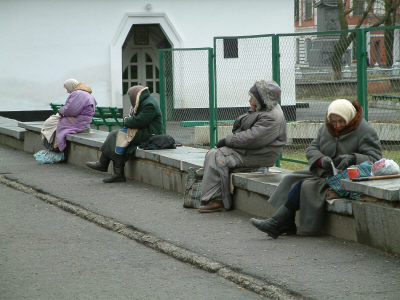
Visitando una de las ciudades en Ucrania me encontre estas ancianas afuera una de las iglesias. No me di cuenta lo que hacian asta que una seniora de bien hacer le dio unas monedas a su hijo pequeno. El muchacho todo contento empeso a dejar unas monedas en cada uno de los basos que estaba al lado de cada anciana. Me di cuenta de dos cosas. Una que las ancianas esperaban la buena voluntad de la genta para su sustento. La otra que el nino disfruto un monton repartiendo las monedas entre las ancianas. Me quede pensando en la leccion que la madre le dio al nino pero mas importante fue el gusto y alegria del nino al repartis las monedas.

Entre pensamientos me acorde un relato de tio Pepe Camacho que me conto mi ultima visita a La Paz. Algo que le preferia darle un peso a las ancianas de la iglesia pues por cada peso elas lo bendecian. O algo por el estilo. De todas formas. La memoria de su relato me puso contento y reflectivo.

Primero que un dalar vale cinco Hryvnas (la moneda de Ucrania). Un Hryvna para las ancianas era bastante dinero. Para mi menos de 25 centavos de dolar. Despues pense en lo poderoso que es el pais de USA gastando billones de dolares en una guerra futil causando toda clase de destruccion. Sin embargo una fraccion de ese monto podria tener un efecto super positivo en el mundo si usado correctamente. Entonces pense que si yo les daria cinco dolares a cada anciana, lo cual no es tanto para mi, esto talves tendria un effecto mucho mas positivo en la vida de ellas.

De todas formas. El proximo dia pase por ahi. Eran cinco las ancianas. Entonces saque los billetes de mi bolsillo y conte unos 13 Hryvnas. Igual que hiso el nino el dia previo pase por cada una de las ancianas dandoles dos o tres Hryvnas a cada una. No se que dijeron o cuantas bendiciones me dieron.

En realidad la leccion es (como me dijo Pepe hoy hablando por telefono) que aquellos que tenemos debemos dar a aquellos que no tienen. Lo interesante del caso es en el monto que damos. Cuales son nuestros valores para dar? Dar un Hryvna o dies? Porque no damos 100 Hryvnas? Despues de todo el effecto positivo de lo dado taves tenga un resultado mejor que no darlo.

Monday, December 25, 2006

Some Irish Blessing

Irish Marriage Blessing

May God be with you and bless you.
May you see your children's children.
May you be poor in misfortunes
and rich in blessings.
May you know nothing but happiness
from this day forward.

An Old Irish Blessing (My Favorite)

May the road rise up to meet you.
May the wind always be at your back.
May the sun shine warm upon your face,
and rains fall soft upon your fields.
And until we meet again,
May God hold you in the palm of His hand.

A Gaelic Christening Blessing

Dearest Father in Heaven,
Bless this child and bless this day
Of new beginnings.
Smile upon this child
And surround this child, Lord,
With the soft mantle of your love.
Teach this child to follow in your footsteps,
And to live life in the ways of
Love, faith, hope and charity.

A Wish for a Friend

Wishing you a rainbow
For sunlight after showers—
Miles and miles of Irish smiles
For golden happy hours—
Shamrocks at your doorway
For luck and laughter too,
And a host of friends that never ends
Each day your whole life through!

An Irish Prayer

May God give you...
For every storm, a rainbow,
For every tear, a smile,
For every care, a promise,
And a blessing in each trial.
For every problem life sends,
A faithful friend to share,
For every sigh, a sweet song,
And an answer for each prayer.

An Old Cradle Song
(Song I sang when taking voice lessons)

Sleep, my babe, lie still and slumber,
All through the night
Guardian angels God will lend thee,
All through the night
Soft and drowsy hours are creeping,
Hill and vale in slumber sleeping,
Mother dear her watch is keeping,
All through the night
God is here, you'll not be lonely,
All through the night
'Tis not I who guards thee only,
All through the night
Night's dark shades will soon be over,
Still my watchful care shall hover,
God with me His watch is keeping,
All through the night

An Old Celtic Blessing

May the blessing of light be on you—
light without and light within.
May the blessed sunlight shine on you
and warm your heart
till it glows like a great peat fire.

Do Not Stand at My Grave and Weep

Do not stand at my grave and weep,
I am not there... I do not sleep.
I am the thousand winds that blow...
I am the diamond glints on snow...
I am the sunlight on ripened grain...
I am the gentle autumn rain.
When you waken in the morning's hush,
I am the swift uplifting rush
Of gentle birds in circling flight...
I am the soft star that shines at night.
Do not stand at my grave and cry—
I am not there... I did not die...

Said when dressing

Lord, clothe me with the robes of innocence.

Said during thunder and lightning

O Lord, be between us and harm and protect us from the harm of the world.

An Old Irish Blessing

May love and laughter light your days,
and warm your heart and home.
May good and faithful friends be yours,
wherever you may roam.
May peace and plenty bless your world
with joy that long endures.
May all life's passing seasons
bring the best to you and yours!

Monday, November 06, 2006

St. Francis of Assisi

Most High, glorious God,
enlighten the darkness of my heart,
and give me right faith,
certain hope,
and perfect charity,
wisdom and understanding,
Lord, that I may carry out
your holy and true command.
Amen.

St. Francis of Assisi

Sunday, November 05, 2006

Images

Natalie's talent with the brush and the camera. They are lovely snaps of a person's inner beauty.


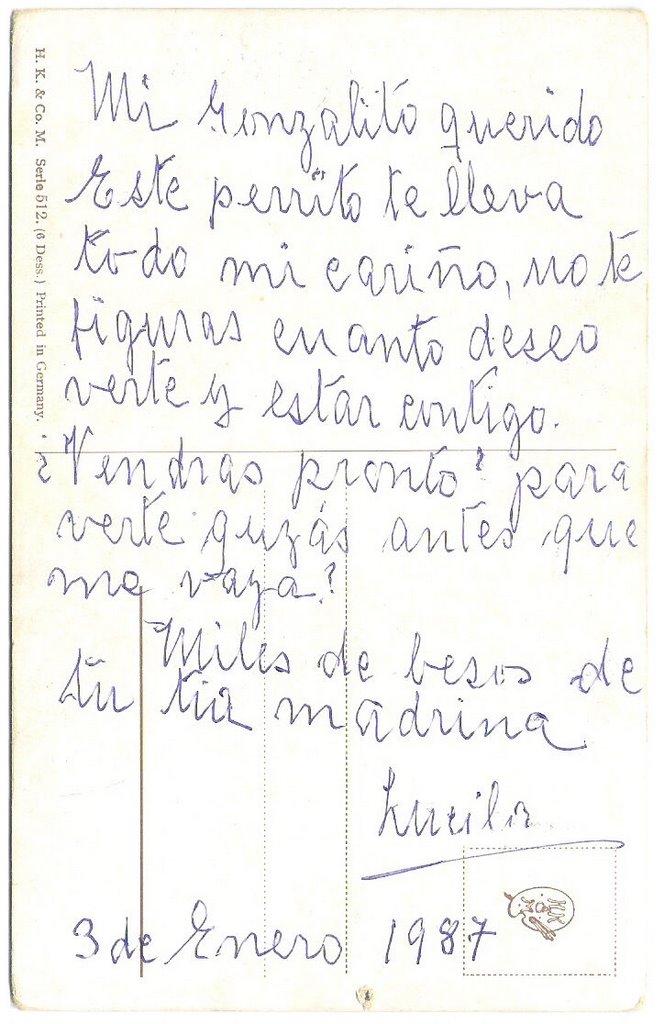
3 de Enero 1987


Mi Gonzalito querido
Este perrito te lleva todo mi carino, no te figuras cuanto deseo verte y estar contigo.
Vendras pronto? para verte quizas antes que me vaya?
Miles de besos de tu tia madrina.
Lucila
3 de Enero 1987

1985

Gonzalo
Speaks with accent
never minds.
Runs like a deer
Works like a horse
Always
Underneath the Southern Cross

Jim "Jaime" Pace

Many Days

Many days, months, and years have gone by
The cool winds of fall do not bring new hopes
They bring old memories back
Tears flow easily through my sould making my body shiver
My golden castles have turned gray
And only hopes of having hopes is left in me
I plead for help to God
I feel alone in this vast infinity
Dreams bring back old friends and times
Times which shall not return
And I think, think
I think about the past and dream about the future
Life is not as bright and gay as it used to be
Responsabilities rest in front of my path
To whom am i responsible?
Feelings fill my soul and they over flow
Spilling down the slopes of dispair, dishonesty, pain
Allow me to empty my love and feel nothing
Is life a burden or a precious stone?
I cannot find beauty
Wisth that desires for the vail of darkness
to sumone to my feet and to ingulf in its blackness
my life away
For ever

(It is thought that this is sad, and it is but when I read it I find hope for the future and I know that with just as much intensity life and love is around the corner. You are that life and love which has changed m life and now I can love.

Carelessly

I love you
no possible way to understand

I hate you
the only way to be free

Anything in between
confuses the mind and wastes time

Live life, be free
and carelessly HAPPY.

Desire

Desire
Wish
Death
Weak or strong
both reduced to nothing
weak

Today

Today I picked-up my old book
my book of memories
my book of the past
book of love
book of smiles
and childish games

Those good times
my old book is a good book
a simple book
a book ofr now
a book for the future

My old book is the book of God
a birthday present
a present of love.

P.S.

Uno de estos dias te contare aquella leccion que tu me enseñaste antes que nacieras. Tu tio Gonzalo

To be empty

Have seen many beautiful things
and I keep all of them within
Want to share them
let people know about them
I am afraid to be emptied